A Persona listening project

The class that graduated into AI

Read and listen

We interviewed people who graduated from college in the past year about how AI entered their education, their work, and their hopes for the future. (The interviewer was AI, too.)

The Class of 2026's reaction to AI isn't simple optimism or fear. Their feelings center on one question:

Will AI help people do more of what matters - or get in the way?

What they fear

  • clean water
  • going unheard
  • no guardrails
  • data privacy
  • data centers
  • sounding like everyone else
  • losing jobs
  • thinking less
  • environmental cost
  • confident wrong answers
  • losing creativity
  • AI acting on its own
  • electricity bills
  • becoming dependent

What they hope for

  • new antibiotics
  • accelerated research
  • brainstorming ideas
  • faster science
  • learning support
  • judgment-free practice
  • medical discovery
  • less grunt work
  • more time for passions
  • patient tutoring
  • pattern recognition
  • lesson planning
  • easier everyday tasks
01

Arrival

AI arrived mid-college & quickly became a part of their lives

They entered college before generative AI was part of everyday life. By graduation, it was helping them learn, code, search for work, and make decisions. Adoption happened quickly—and not always deliberately.

A student interacting with a glowing AI interface
02

Commencement

AI on the commencement stage

By graduation, AI had moved from classroom policy to a symbol of the future waiting outside campus. Speakers framed it as both a threat to the job market and a tool graduates would need to embrace. The crowd did not always agree.

Graduates at a commencement ceremony

Where AI belongs

Acceptance depends on where AI is used.

Wide interest in AI applications for science, medicine, office & knowledge work, and rejection of AI in art, music & film.

Science & medicine

79%

Office & knowledge work

78%

Art, music & film

14%

Source: coded responses from 14 AI-moderated interviews per domain.

03

The future they want

Hopes: accelerate human progress & replace routine work

Their clearest hopes are concrete: faster medical discovery, better tools for learning, and less time spent on repetitive work. Optimism grows when AI expands human possibility instead of narrowing it.

A scientist working in a laboratory
04

Entering the workforce

Fears: Unease about the labor market

The Class of 2026 has one of the clearest views of how AI is shifting the job market. As they enter the workforce, they're thinking about how roles will shift and dealing with an application process that's already shifted.

A modern workspace with a laptop
05

The human core

Rejection of AI in creative work & care

A clear theme emerged: Work centered on identity, empathy and humanity shouldn't be outsourced to AI. Creative work should carry lived experience. Care, teaching, and understanding require something beyond a plausible response: the reality of being human.

A cozy creative workspace with art supplies
06

The physical footprint

Environmental concerns

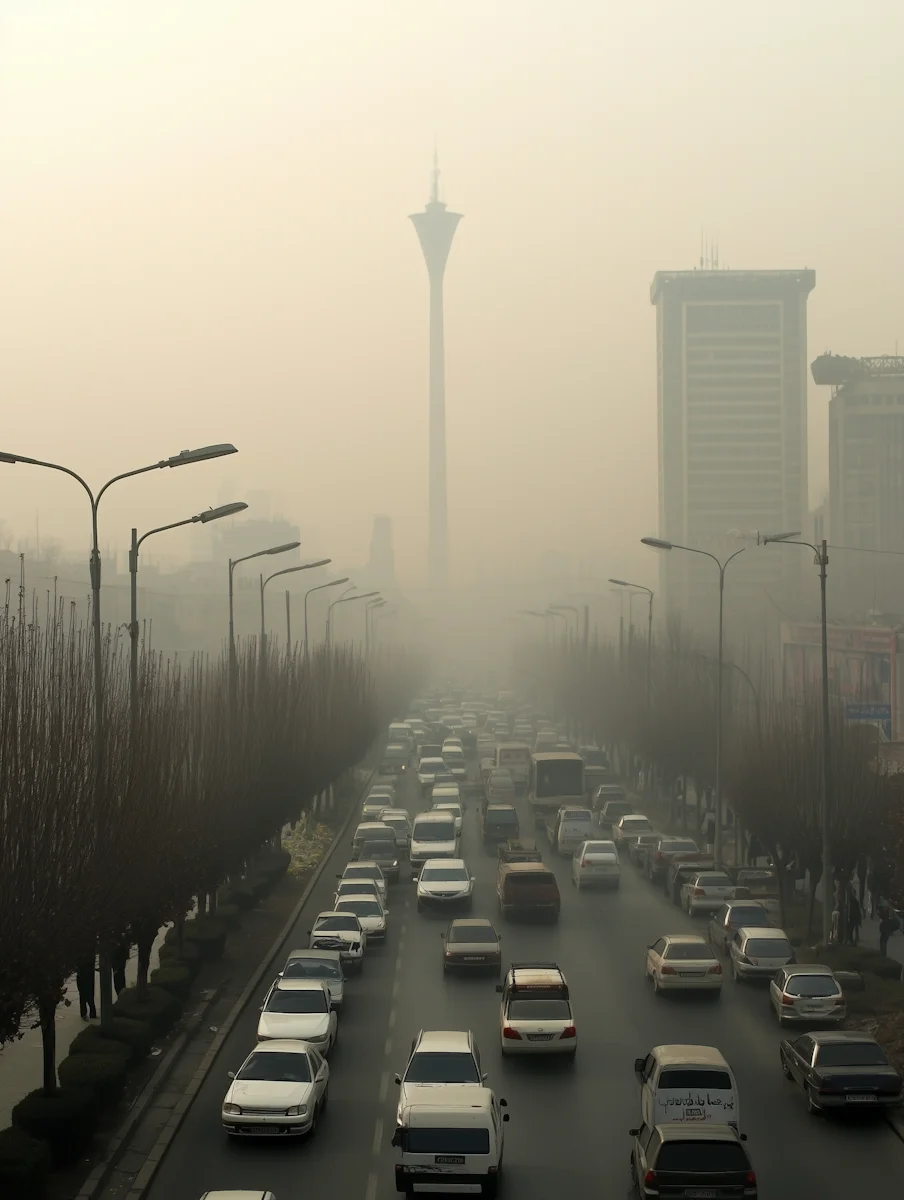
Their environmental concern is not abstract. It is water, electricity bills, noise, and communities absorbing the cost of infrastructure they did not choose. The demand is not simply to stop building, but to make progress accountable to the people who bear it.

Urban traffic moving through smog
07

Privacy and control

A desire for clearer boundaries

The closer AI moves to everyday life, the more carefully they want its boundaries drawn. Personal data should not become an invisible price of participation.

A portrait fragmented by a digital glitch
08

Talking to AI

The AI interview itself: Less judgment, more candor

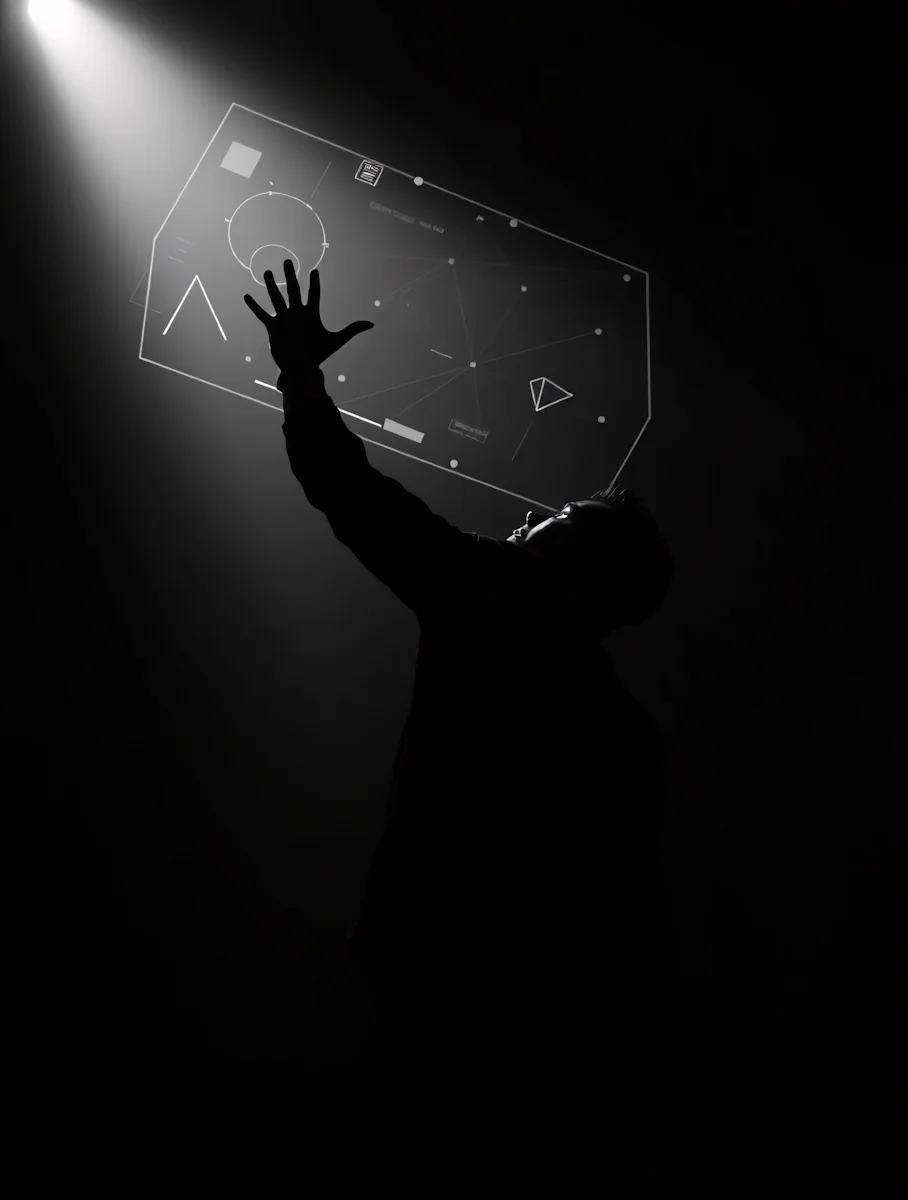
The interviewer became part of the finding. Some people felt freer speaking to a system that could not judge them. Others missed the active listening and back-and-forth of a conversation with a person.

A person illuminated by dramatic light
09

The condition for trust

Across the board: Need to see people visible in the loop

Across research, medicine, education, and public deployment, trust was conditional. The Class of 2026 was willing to rely on powerful systems as long as someone remained responsible for checking the work and accountable for the final outcome.

A person contemplating a retro computer

Philosophy graduate

AI arrived mid-college

0:00-0:09

The Class of 2026 isn't rejecting AI outright. They've felt its value. They see its potential in specific domains.

But they want a system where people remain visible and can do what's uniquely human.

AI has the potential to advance human progress in medicine and to free up people's time - giving them more room to think, create, and care. But this generation is asking the AI industry to be more mindful of where AI is deployed and how humans fit in.

About the conversations

Persona spoke with people who graduated from college in the past year about how AI entered their education, their careers, and their expectations for the future.

Every conversation was conducted by an AI interviewer. This page was authored by people. The voices on this page are shared anonymously and with participants' consent.

Keep listening

Better decisions begin with real voices.

See how Persona works